By Peace Udugba -The Daily Torch Media
As The Headies heads to Toronto for its 18th edition under the theme “Africa to the World,” the prestigious music awards is taking its celebration of African culture beyond music, with fashion poised to make a powerful statement on the global red carpet.
At the heart of the fashion direction for the ceremony is “Heritage Noir: The Icons,” a concept led by fashion and creative director Yolanda Okereke, which explores a compelling question: What happens when African heritage becomes the language of black tie?
The concept challenges the conventional definition of formalwear by placing African textiles, craftsmanship, silhouettes and cultural references at the centre of contemporary red-carpet dressing.
Rather than choosing between traditional African attire and Western formalwear, Heritage Noir: The Icons seeks to create a distinctive space where both worlds meet, producing sophisticated looks that are unmistakably African while remaining at home on a global red carpet.
The Agbada Gets a Red-Carpet Makeover
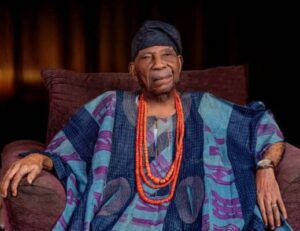
One of the major fashion statements expected at The Headies 18 is the reimagining of the agbada.
The traditionally flowing Nigerian attire is being elevated through dramatic proportions, refined tailoring and contemporary styling, alongside interpretations such as the African Tuxedo and Modern Native.
The result is expected to demonstrate how indigenous fabrics, tailoring techniques and handwork can be transformed into modern formalwear without losing their cultural identity.
Sculptural Gowns and a New Vision of African Royalty
For the women, the fashion direction embraces a dramatic interpretation of African elegance.
Expect elements such as Aso-oke corsetry, sculptural wrappers, dramatic trains, beaded gowns, capes and modern gele, complemented by statement African jewellery.
The overall aesthetic moves beyond conventional occasionwear, drawing inspiration from the grandeur, confidence and visual language of African royalty.
When Fabric Becomes the Statement
The fashion story places considerable emphasis on the fabrics themselves.
Aso-oke, adire, brocade and velvet are expected to feature prominently, creating layers of texture and cultural identity, while beads and metallic embellishments introduce an element of evening glamour.
The emphasis is not simply on how the finished garments look, but also on the craftsmanship, heritage and stories embedded in the materials.
Black Tie, Rewritten the African Way
The colour direction moves through black, ivory, jewel tones, bronze and gold, creating a visual connection among the various looks while allowing each individual style to retain its personality.
Accessories are also expected to play a major role, with beads, caps, sculptural jewellery, hand fans, cuffs and walking sticks becoming important elements of the overall styling.
In this interpretation, black tie is no longer simply about the traditional tuxedo or evening gown. It becomes a platform for expressing African identity through contemporary fashion.
Fela, Bright Chimezie and King Sunny Ade Inspire the Icons
The fashion concept also draws inspiration from three influential Nigerian musical figures, each representing a different dimension of African style and cultural expression.
“The Rebel,” inspired by Afrobeat pioneer Fela Kuti, explores layered prints, earth tones and combinations of red, black and ochre, reflecting the musician’s unmistakable visual identity and rebellious spirit.
“The Joy,” inspired by Bright Chimezie, embraces vivid colours, playful patterns and a more exuberant interpretation of African fashion.
Meanwhile, “The King,” inspired by legendary juju musician King Sunny Ade, takes a more regal direction, incorporating Yoruba references and ceremonial details.
Together, the three interpretations present African fashion as rebellious, joyful, regal, dramatic and contemporary.
Africa Defines the Dress Code
The Headies 18 is therefore positioning fashion as more than a supporting element of the awards ceremony. It is becoming part of the broader cultural statement behind “Africa to the World.”
As African music continues to command growing international attention, the Toronto red carpet offers another opportunity to showcase the continent’s creativity, craftsmanship and cultural identity to a global audience.
The central question is no longer whether African fashion belongs on the world’s biggest red carpets.
It is what the global red carpet looks like when Africa gets to define the dress code.