By: Peace udugba- The daily torch media
Stakeholders in Africa’s oil and gas industry have identified collaboration, strong local content frameworks and sustained investment as critical pillars for securing the continent’s energy future.
This consensus emerged at the 10th Anniversary Edition of the Sub-Saharan African International Petroleum Exhibition and Conference (SAIPEC 2026), held from 10 to 12 February 2026 at the Eko Convention Centre, Lagos, with the theme “A Decade of Driving Africa’s Energy Future.”
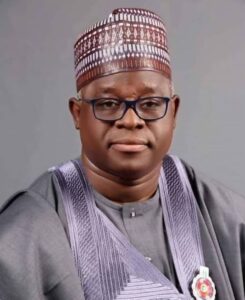
Delivering the keynote address on “Africa’s Local Content Collaboration Strategy,” the Executive Secretary of the Nigerian Content Development and Monitoring Board (NCDMB), Engr. Felix Omatsola Ogbe, represented by Dr. Abdulmalik Halilu, Director, Corporate Services, emphasized that Africa’s local content journey is still ongoing and requires collective action rather than isolated national efforts.
According to him, insights from previous SAIPEC editions have shown that collaboration among governments, private sector players and local communities is the bedrock of successful local content development across the continent.
“For Africa, collaboration must remain a cornerstone of our strategy. Our efforts cannot be siloed if we are to achieve meaningful progress and consolidate gains already recorded,” he said.
He explained that Nigeria’s local content success was built on a deliberate and phased approach, beginning with deepening indigenous participation, followed by capacity building and reinforced by policies that prohibit the transfer of certification to intermediaries.
The Executive Secretary noted that the new policy direction ensures that only competent and technically capable contractors are engaged, adding that technical capacity has become a critical criterion in project execution.
At the continental level, he called for stronger alignment among African countries through the Brazzaville Accord, stressing that regulatory harmonisation and sectoral cooperation would make African energy projects more competitive, economically viable and attractive to global financing.
He also described the establishment of the Africa Energy Bank by the African Petroleum Producers’ Organization (APPO), in partnership with Afreximbank, as a strategic milestone that would unlock capital for African energy projects, improve access to affordable financing and strengthen indigenous capacity across the continent.
The Executive Secretary urged governments, regulators, investors and industry leaders to actively support the operational success of the bank to drive sustainable growth in Africa’s energy sector.
In his opening address, Chairman of the Petroleum Technology Association of Nigeria (PETAN), Engr. Wole Ogunsanya, FNSE, said the 10th edition of SAIPEC marked a decade of redefining Africa’s role in the global energy landscape.
Ogunsanya described SAIPEC as more than a conference, noting that over the past ten years, the platform has driven strategic energy dialogue, elevated indigenous participation, connected African service companies to global opportunities and influenced real investment decisions.
He stressed that while the global energy transition continues, Africa’s immediate priority remains energy access, affordability and reliability, with more than 600 million Africans still without electricity.
According to him, Africa’s energy transition must focus on responsibly leveraging hydrocarbons to drive development while gradually integrating cleaner and renewable solutions.
Ogunsanya highlighted the growth of indigenous companies across drilling, engineering, fabrication, asset acquisition and technology deployment, attributing the progress to effective local content policies and capacity development.
However, he warned that sustaining the gains would require consistent policy implementation, improved access to financing, contract sanctity, timely project execution and stronger collaboration among operators, service companies and regulators.
Calling for renewed commitment as SAIPEC marks its 10th anniversary, the PETAN chairman urged stakeholders to move from dialogue to delivery, accelerate gas development, deepen local content utilisation, create jobs and position Africa as a competitive and reliable energy destination.
He concluded that SAIPEC must continue to serve as a platform where ideas are transformed into investments and discussions translate into bankable projects that advance Africa’s energy future.