By Peace Udugba
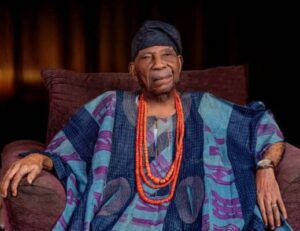
Retired Major General Ishola Williams has backed Oyo State Governor Seyi Makinde’s call for an independent international investigation into the abduction and subsequent rescue of pupils and teachers kidnapped in Oriire Local Government Area of Oyo State, saying the governor’s request follows precedents set during previous national security crises.
Williams made the remarks during an interview on Frontline, a current affairs programme on Eagle 102.5 FM, Ilese-Ijebu, Ogun State, on Friday.
Governor Makinde had called for a United Nations-backed investigation into the circumstances surrounding the Oriire school abduction and the military operation that secured the release of the victims after 56 days in captivity.
Supporting the governor’s position, Williams recalled that during the abduction of the Chibok schoolgirls under former President Goodluck Jonathan’s administration, international organisations were invited to scrutinise the incident.
According to him, critics of the Jonathan administration, including members of the then-opposition, demanded international involvement, making Makinde’s current request legitimate.
“Makinde is right in making that call. During the Chibok girls’ abduction, international organisations were invited, and the then-opposition strongly criticised President Jonathan. What goes around comes around,” Williams said.
He added that the governor was merely following an established precedent.
However, Williams noted that under Nigeria’s constitutional arrangement, a state governor cannot directly invite the United Nations to investigate a security matter.
“Diplomatically, Makinde cannot call on the UN as a sub-national entity. Only the President, through the Ministry of Foreign Affairs, can formally request such assistance,” he said.
Instead, he suggested that internationally recognised independent organisations, such as Amnesty International, could conduct an impartial investigation into the incident.
Beyond endorsing the governor’s call, the retired general questioned what he described as major intelligence failures that allowed armed kidnappers to abduct dozens of schoolchildren without resistance.
He said the incident exposed weaknesses in Oyo State’s grassroots security architecture, including the Ministry of Home Affairs, the Amotekun Corps, local intelligence networks and community leadership.
Williams questioned the competence of security officials responsible for intelligence gathering and insisted that accountability should extend beyond the kidnappers to those who failed to prevent the attack.
“In a serious country, the governor’s security adviser could have been sacked. Grassroots intelligence failed. How could kidnappers move into a community, abduct so many children and disappear without Amotekun or community leaders knowing?” he asked.
He further alleged that the abductors could not have operated successfully without the support of some members of the host community.
“These kidnappers cannot operate without local collaborators. Some people within the communities must be aiding them,” he said.
Williams also expressed scepticism over official accounts of the rescue operation, saying more details should be released to enable security experts assess the mission and draw lessons for future operations.
He urged security agencies to devote greater attention and resources to tackling insurgency in the North-East rather than concentrating heavily on isolated kidnapping cases.
Reiterating his long-standing advocacy for state policing, Williams argued that Nigeria’s centralised policing structure has become ineffective and should be replaced with a decentralised security system supported by a federal criminal investigation and intelligence agency.
According to him, governors, as chief security officers of their states, should be granted greater operational authority while receiving support from the Federal Government where necessary.
The retired general also questioned the scale of manpower and resources deployed for the Oriire rescue, arguing that if similar intelligence capabilities were consistently applied in the North-East, Nigeria would make greater progress in combating insurgency.
He further called for greater accountability among traditional rulers and community leaders, warning that communities where criminal groups repeatedly operate should face consequences.
“Community heads must be held responsible. If this happens repeatedly in their communities, they should answer for it because some communities may be benefiting from these criminal activities,” Williams said.