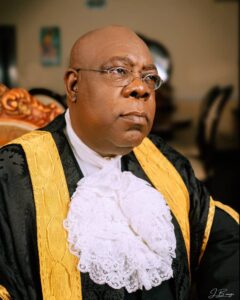
By Asiwaju Kunle Kalejaye, SAN
Eagle 102.5 FM, Ilese-Ijebu
The use of churches, mosques and other religious centres for partisan political campaigns is illegal in Nigeria, but weak enforcement of electoral laws has continued to allow politicians to violate the restrictions with little or no consequences.
With the 2027 general elections approaching, concerns are growing over the increasing intersection of religion and partisan politics, as political leaders, religious clerics and minority groups warn against turning places of worship into campaign grounds.
The issue has renewed debate about the need to protect religious institutions from political manipulation and ensure that Nigeria’s electoral process is conducted in accordance with the law.
In a legal analysis examining the subject, Asiwaju Kunle Kalejaye, SAN, of Eagle 102.5 FM, Ilese-Ijebu, argues that Nigeria’s legal framework provides safeguards against the use of religious platforms for partisan mobilisation, but that the absence of effective enforcement has encouraged violations.
The constitutional framework provides for religious neutrality and freedom of worship. Section 10 of the 1999 Constitution prohibits the adoption of a state religion, while Section 38 guarantees freedom of thought, conscience and religion.
The Electoral Act 2026, which the analysis says repealed the 2022 Electoral Act, also contains provisions restricting political activities in places of worship.
According to the analysis, Section 96(3) prohibits the use of religious worship centres for political campaigns, rallies and processions, as well as activities intended to promote or oppose political parties and candidates.
Similarly, Section 101 provides penalties for candidates, individuals and associations that engage in campaigns or broadcasting based on religious, tribal or sectional considerations to promote or oppose a political party or candidate.
The stated penalties include fines ranging from N3 million to N5 million, imprisonment for up to 12 months, or both. Political parties found guilty may face fines ranging from N30 million to N50 million.
The analysis further draws attention to provisions of the Criminal Code and Penal Code designed to protect religious assemblies and prevent actions capable of inflaming religious tensions.
Under the Criminal Code applicable in Southern Nigeria, Sections 204 and 206 address public insults to religion and the disturbance of religious assemblies.
Similarly, Sections 210, 212 and 213 of the Penal Code applicable in Northern Nigeria address religious insults capable of causing breaches of peace, disturbances of worship and trespass on places of worship intended to wound religious feelings.
Despite these legal safeguards, the analysis identifies several factors responsible for continued violations.
One major challenge is the tendency of politicians to disguise partisan activities as courtesy visits, thanksgiving services and prayer sessions, making it difficult to distinguish genuine religious engagements from political campaigns.
The analysis cites recent warnings by Anambra State Governor, Chukwuma Soludo, against turning churches into campaign grounds in Onitsha.
It also references comments by Islamic cleric Sheikh Muhammad Nuru Khalid, who reportedly cautioned politicians against making campaign statements during visits to mosques.
The Northern Nigeria Minorities Group has equally warned against the transformation of worship centres into platforms for partisan political activities.
Another major concern is the fragmented nature of enforcement, involving the police, state Attorneys-General and the Independent National Electoral Commission (INEC).
The analysis notes that although the Electoral Act empowers INEC to prosecute electoral offences, political considerations and possible conflicts of interest can undermine efforts to hold influential politicians accountable.
It also identifies financial dependence on political donations and patronage as factors that may discourage some religious leaders from reporting violations.
The fear of religious unrest, accusations of bias and political interference can further discourage security agencies from taking decisive action.
To address the situation, Kalejaye advocates the establishment of an independent prosecutorial body dedicated to electoral offences.
He argues that implementing the recommendations of the Justice Uwais Electoral Reform Committee and relevant civil society proposals, including those by the Socio-Economic Rights and Accountability Project (SERAP), would strengthen accountability.
The proposed Office of an Independent Counsel for Electoral Crimes or the establishment of a National Electoral Offences Commission through legislation, according to the analysis, would help insulate the prosecution of electoral offences from executive and partisan interference.
Such a body, he argues, should have guaranteed tenure and independent funding to investigate violations, preserve evidence and prosecute offenders, including politically influential individuals.
Kalejaye maintains that imposing heavy fines and prison terms would achieve little if offenders were not prosecuted.
He therefore calls for stronger enforcement of electoral laws to protect religious institutions, promote peaceful political participation and safeguard the integrity of Nigeria’s democratic process ahead of the 2027 general elections.
Tags: Electoral Act 2026, 2027 Elections, INEC, Religious Freedom, Political Campaigns, Nigeria Politics, Kunle Kalejaye