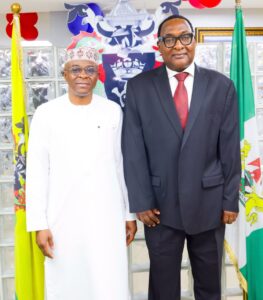
Recently, MTN Nigeria CEO, Dr. Karl Toriola; Chair of the CGI Nigeria, Dr. Myma Belo-Osagie, and other Nigerian business leaders called for investment in Nigeria’s climate policy. This call was made as Nigeria officially became a part of the global Climate Governance Initiative (CGI). CGI, a non-profit network that helps company board members and corporate leaders take meaningful climate action, hosted a virtual launch with the leading voices in climate change in Africa.
The virtual event brought together former ambassadors, government officials, private sector leaders, and members from international CGI chapters in the UK, South Africa, Egypt and Kenya.
Dr. Myma Belo-Osagie, Chair of the CGI Nigeria Advisory Board, highlighted the need to strengthen climate leadership in Nigerian boardrooms. She said: “This is why I’m both pleased and honoured to welcome you all to the official launch of the Climate Governance Initiative Nigeria, a defining step in Nigeria’s journey towards stronger, more sustainable corporate leadership in this increasingly critical space. CGI Nigeria is, as you’ve heard, part of the global movement catalysed by the Global Economic Forum. The movement has read that change issues are properly understood in the boardroom. They can become a driver of innovation, resilience, and growth, whether through green finance, clean energy, regenerative agriculture, or circular business models.”
One of the most impactful moments of the event came from Dr. Karl Toriola, CEO of MTN Nigeria, who gave a session on the role of business leaders in advancing climate governance. Toriola explained that climate-related challenges are already affecting companies like MTN in many ways, from raising capital to staying competitive and ensuring long-term survival. “Climate risk directly affects our bottom line,” he said. “It’s no longer optional to care – it’s necessary.”
He explained that MTN has embedded climate governance into the very core of its operations. The company has created a four-level oversight system where climate and sustainability are tracked across all departments. Each executive has key performance indicators (KPIs) linked to sustainability. These goals are tied to executive bonuses and performance reviews.
Toriola gave several examples of how MTN is reducing energy use, including using motion sensor lights, solar-powered towers, and efficient air conditioning systems in their offices. He also shared that MTN has begun recycling batteries, devices, and waste to reduce its environmental impact. In rural areas, the company is expanding mobile coverage using solar-only power sources to reduce fossil fuel use.
Karl Toriola also stressed that businesses must make sacrifices if Nigeria is to truly transition into a greener economy. “So, the role of business leaders going forward, I think, is to make the sacrifices that are needed to move us forward in terms of climate change across Nigeria and wider Africa. And, you know, I always say this, you can’t make an omelets without breaking eggs.”
In closing, Toriola made it clear that the responsibility for climate leadership starts at the top with the board, the CEO, and every business leader in Nigeria. He called for more collaboration, investment in climate infrastructure, and accountability in how companies report and manage their environmental impact.