By Peace Udugba — The Daily Torch Media
As Africa’s population continues to age, St. George’s University (SGU) School of Medicine has called for stronger dementia awareness, early recognition and patient-centred care across the continent.
The call was made ahead of World Alzheimer’s Day 2026, as dementia continues to pose a growing global health challenge.
According to the World Health Organization (WHO), more than 57 million people are living with dementia worldwide, with nearly 10 million new cases recorded annually. Alzheimer’s disease accounts for an estimated 60 to 70 per cent of dementia cases.
In Africa, the challenge extends beyond diagnosis and treatment, particularly as older people living with dementia in low- and middle-income countries may face limited access to affordable long-term care and support.
SGU said the rising life expectancy and ageing populations across the continent make it increasingly important for healthcare professionals to recognise cognitive decline, distinguish dementia from normal ageing and provide appropriate support for patients and their families.
Dr Robert Grant, Senior Associate for Clinical Studies at SGU, said dementia should increasingly be viewed as a healthcare-system issue requiring greater preparedness.
“Africa’s evolving demographic profile means dementia can no longer be viewed solely as a challenge for older patients; it is increasingly a healthcare-system issue that requires preparedness,” Grant said.
He added that physicians serving African communities need both the clinical knowledge to identify cognitive decline and the communication and cultural-awareness skills required to work effectively with patients and families.
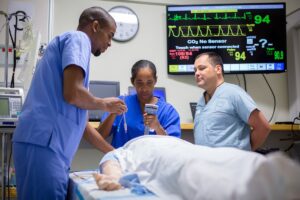
According to SGU, medical education has an important role to play in preparing doctors to respond to the changing healthcare needs associated with ageing populations.
The university said its international learning environment, with students and faculty from more than 150 countries, exposes future physicians to diverse patient populations, healthcare systems and perspectives.
SGU also said its clinical training network, comprising more than 75 affiliated hospitals and health systems across the United States and United Kingdom, gives students opportunities to develop clinical skills in different healthcare settings.
The institution said its training places emphasis not only on medical knowledge but also on clinical reasoning, communication, teamwork and adapting care to individual patient needs.
Focus on Prevention and Healthy Ageing
SGU also highlighted the importance of prevention and healthy ageing in addressing the growing burden of dementia.
Updated WHO guidance emphasises tackling modifiable risk factors throughout life as part of efforts to reduce the risk of cognitive decline and promote healthier ageing.
The university said greater public awareness, early recognition and improved access to health information could complement efforts to strengthen dementia services across African communities.
Grant stressed that dementia affects more than memory, noting that the condition can significantly affect a person’s independence, relationships and family life.
“Good healthcare must therefore preserve dignity and connection alongside clinical care,” he said, adding that physicians must be prepared to listen, communicate clearly and help families navigate difficult decisions as care needs change.
World Alzheimer’s Day provides an opportunity to recognise people living with dementia and the families and caregivers supporting them, while drawing attention to the need for healthcare professionals equipped to respond to Africa’s changing health landscape.
SGU said it remains committed to preparing physicians through medical education, international clinical exposure and a global approach that can contribute to healthcare systems and communities facing the growing demands of ageing populations.