By Peace Udugba
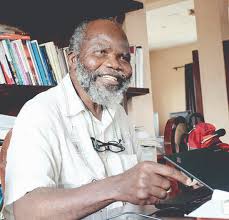
As the world marks World Environment Day 2026, Executive Director of Business Banking at Union Bank of Nigeria, Dr. Mannir U. Ringim, has called for greater investment in agriculture, describing agricultural finance as the most effective form of climate action for Nigeria and West Africa.
In an article commemorating the global event, Ringim argued that climate change is already disrupting traditional farming patterns across the region, with erratic rainfall, flooding, desert encroachment, and shrinking water bodies threatening food production and rural livelihoods.
According to him, smallholder farmers are among the first to experience the effects of climate change, yet they remain among the least financed. He noted that despite agriculture being one of the largest employers and contributors to economic growth in Nigeria, the sector continues to receive only a small share of bank lending.
Ringim stressed that providing farmers with access to affordable and structured financing would enable them to adopt climate-resilient practices such as irrigation, drought-tolerant seeds, improved storage facilities, and weather insurance.
He said modern agricultural financing tools, including value-chain lending, warehouse receipt systems, mechanisation funding, and digital farm data, have made the sector more bankable and resilient than ever before.
The banking executive also called for stronger collaboration among governments, development finance institutions, insurers, agritech firms, and commercial banks to share risks and unlock greater investment in agriculture.
Ringim maintained that financing agriculture should be viewed not only as an economic priority but also as critical climate infrastructure capable of improving food security, creating jobs, and strengthening resilience against environmental shocks.
He concluded that the most meaningful climate commitment Nigeria’s financial sector can make is to channel intelligent and large-scale investment into the land and the farmers who feed the nation.